


EXPERT ANALYSIS: BETTER MOVEMENT
Biomechanical Assessment in Leeds
We use advanced biomechanical assessment to identify the issues, improve movement and help prevent injury.

Accurate Analysis
Detailed assessment to identify the root cause of your pain or discomfort

Improve Performance
Enhance movement efficiently, strength and coordination

Prevent Injuries
Reduce the risk of injury with personalised advice and treatment

Personalised Care
Tailored solutions designed around your body and your goals
Move better. Feel better. Live better.
Our Biomechanical assessment helps you move with confidence and take the first step towards lasting relief

Our Holistic Approach to Biomechanics
At Foot Pain Centres of Leeds, our Podiatrists use advanced biomechanics to identify the root causes of your pain.
Whether you have pain in your feet, ankles, knees, or lower back, we analyse your body’s movement as a chain reaction. This helps us see how changes in your feet and ankles impact the rest of your skeleton
It is vital that we can diagnose the primary structural underlying fault(s) that are contributing to your injury or complaint.
What Happens During a Biomechanical Assessment?
Our Podiatrists conduct a comprehensive evaluation that goes far beyond the feet.
We begin with a detailed medical history before performing a thorough physical examination of both the upper and lower limbs.
This process allows us to assess and measure your walking and running patterns while studying the vital relationships between your joints, muscles, and nerves.
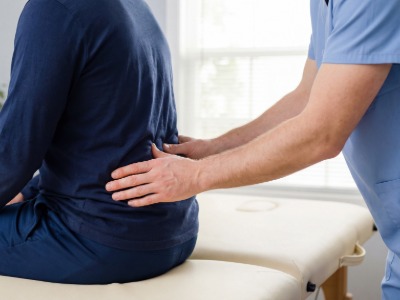
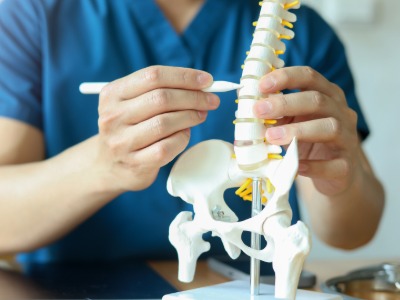
As our Podiatrists form part of a multi- and interdisciplinary team, we often invite other musculoskeletal practitioners who may be involved in your treatment to be present at your biomechanical assessment, e.g., a Chiropractor or Physiotherapist who will contribute and share their knowledge to complete an overall understanding of your injury or complaint.
Comprehensive Postural Screening
Postural alignment dictates how you move during our weight-bearing examination. We assess the impact of gravity, body weight and mass on your skeleton.
A detailed examination is then undertaken of the following areas:
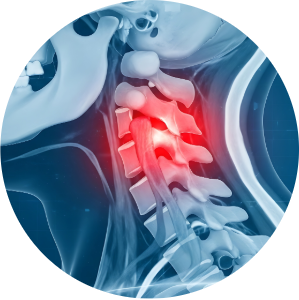 Head & Neck
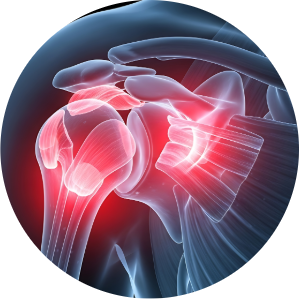 Shoulder
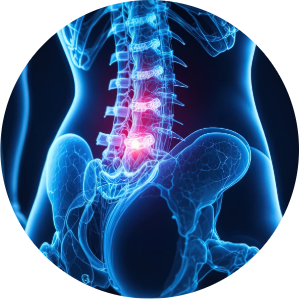 Spine & Pelvis
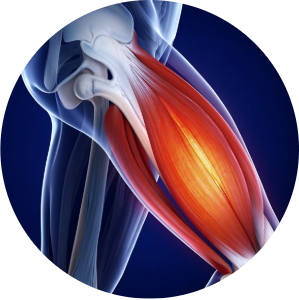 Hip & Thigh
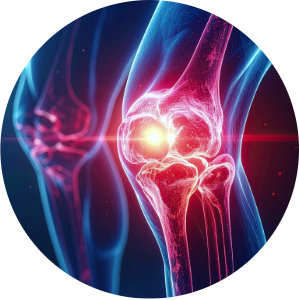 Knee & Leg
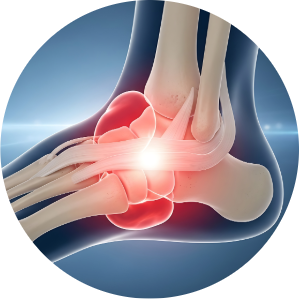 Ankle & Foot
This allows us to investigate the mechanical inter-relationship that these body areas have with each other, together with both muscular and neurological testing.
We then meticulously evaluate the following:
- Head, Jaw, and Neck position: Tilt, rotation, and alignment.
- Shoulders and Arm position: Tilt, rotation, and arm length.
- Spinal Position: Scoliosis, alignment.
- Pelvis and Hips: Pelvic tilt/rotation
- Functional and Anatomical Leg Length Discrepancies
- Lower Limbs: Knee, ankle, and foot positioning.
Gait Analysis at the Foot Pain Centre
A gait assessment is then performed, and in complex cases, such as recovery from a stroke, orthopaedic trauma rehabilitation, and neurological conditions, we utilise video gait analysis.
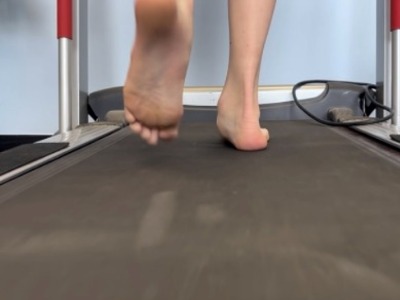
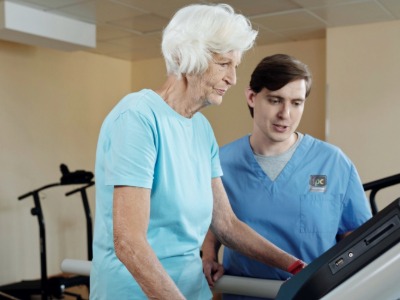
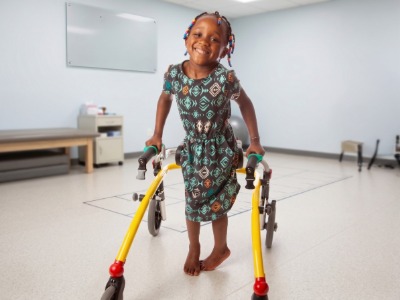
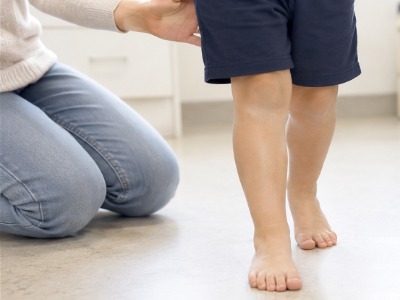
By capturing footage and stills for slow-motion review, our Podiatrists can pinpoint subtle mechanical faults. This data provides a baseline to objectively measure your improvement over time.
Precision Measurements for Custom Orthotics
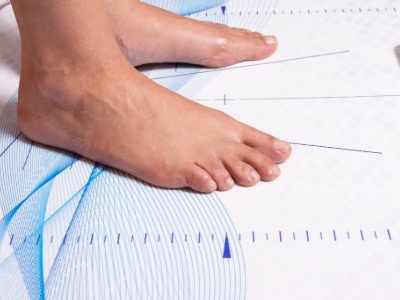
If a patient requires Custom Orthotics, biomechanical measurements are then taken around the foot and ankle, both standing and lying down, with similar measurements around the pelvis and hip joint, knee and leg.
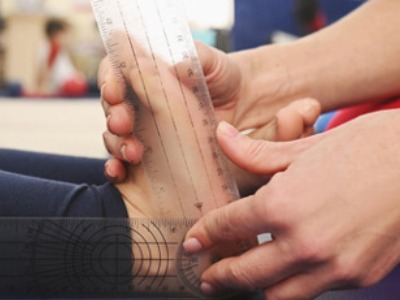
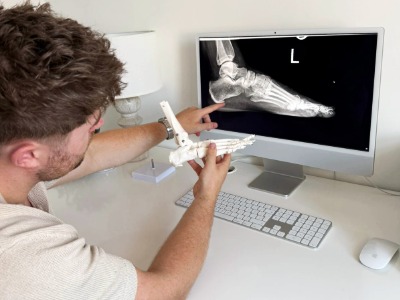
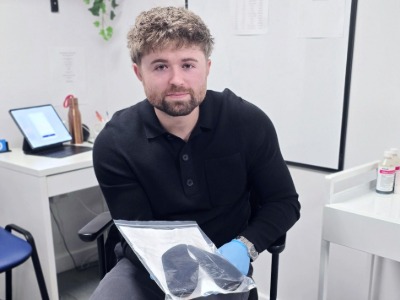
Any suspected differences in functional or anatomical leg differences are also measured. These measurements, once interpreted, will form the numerical prescription that is used to formulate an orthotic device. Non-weight-bearing, neutral casting of both feet is then undertaken; your models are then assessed and forwarded to a laboratory for fabrication.
Specialist Care for Athletes and Complex Injuries
For those patients with sports-related injuries, we believe it is essential to see you in action, e.g. assessing your golf swing or observing your posture on a static cycling frame, in order to understand how the biomechanical actions and the forces created when performing your sport interrelate to your natural mechanical state and how they contribute to your injury.