

The Padel Boom: How to Protect Your Feet and Ankles on the Court
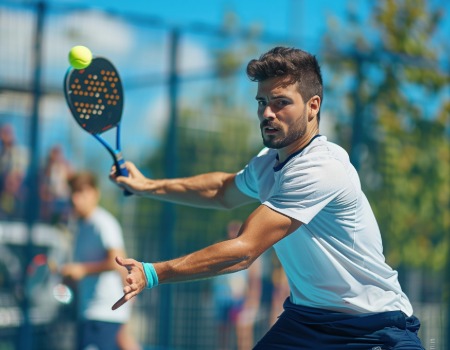
Padel is officially the fastest-growing racquet sport across the United Kingdom. With custom-built courts popping up in major sports hubs from London to Edinburgh, players are falling in love with its fast-paced, high-energy rallies. It is a fantastic sport for cardiovascular health, demanding constant movement, running, jumping, and lunging. Unsurprisingly, racquet sport players burn a substantial amount of calories on the court while keeping their agility sharp.
However, the unique mechanics of Padel, characterised by explosive multi-directional shifts, sudden acceleration, and rapid deceleration on synthetic turf or hard courts, put immense physical stress on the lower limbs. The constant pounding that the feet and ankles endure can frequently precipitate structural strain and injury. To enjoy the sport sustainably, understanding court biomechanics and knowing when to consult a specialist is essential.
Common Court Foot and Ankle Injuries in Padel
The dynamic movement profile of Padel requires quick transitions between moving forwards, backwards, and side-to-side. This intense, repetitive stress makes players highly susceptible to several key clinical conditions:
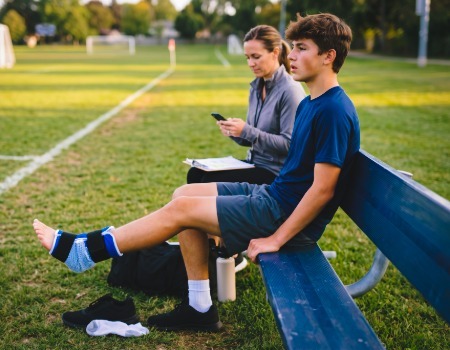
- Lateral Ankle Sprains: The absolute most frequently encountered court injury is the common ankle sprain. The sudden twisting motions and lateral sliding required during sharp baseline rallies can easily cause the ankle joint to invert, overstretching or tearing the supportive lateral ligaments.
- Stress Fractures: Other court injuries are more shock-related, resulting from the repetitive impact on unforgiving court surfaces. Stress fractures commonly develop in the foot or tibia (shin bone). These micro-fractures can be notoriously hard to detect in their early stages. Many individuals continue to play through the discomfort, dangerously delaying a correct medical diagnosis. While they can occur in any of the 28 bones of the foot, the metatarsal bones are the most frequent site, often presenting with noticeable swelling in the forefoot.
- Plantar Fasciitis and Heel Spurs: Persistent heel pain is a widespread complaint among court athletes. This frequently indicates a plantar fascia injury or the development of a bone spur. The plantar fascia is a thin, remarkably strong band of tissue that supports the arch of the foot, stretching cleanly from the heel to the ball of the foot. As a player’s arch naturally falls or flattens under heavy load, this tissue band is placed under increasing tension. The weakest link is where the tissue attaches to the bottom of the heel. Over time, and when combined with repeated court shock, micro-tearing events occur, causing the fascia to painfully tear away from the heel bone.
Clinical Indicator: Anatomical Predispositions. It is important to recognise that baseline alignment plays a massive role in injury risk. Pre-existing structural features, such as naturally high arches, flat feet, hammer toes, differences in leg length, and general muscle tightness, drastically alter weight distribution and elevate lower leg stress during high-impact sport.
The Power of Custom Orthotics: Lessons from the Pro Circuit
When conservative measures like rest and ice are not enough, advanced biomechanical interventions can make a profound difference. Adjusting how weight is transferred through the foot during high-velocity movement can directly relieve strain on adjacent joints, including the knees and hips.
Case Highlight: From Joint Strain to Stabilised Mechanics
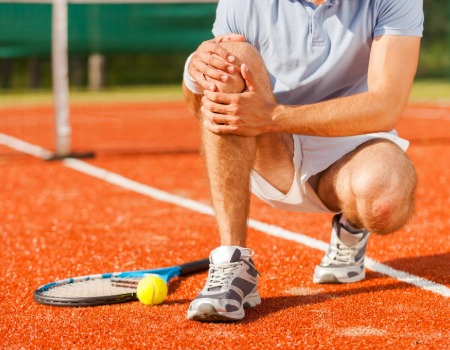
Consider the journey of full-time professional tennis player Alex Johnson. After transitioning to a professional career, Alex’s progress was severely hampered by persistent injuries, culminating in a serious meniscus tear in his knee during a tournament in Barcelona. Following two corrective surgeries and targeted post-operative physiotherapy with specialist Liz Blizzard, Alex was referred to Musculoskeletal Podiatrist Jonathan Stanley.
Jonathan identified that abnormal foot positioning was causing Alex’s knee to twist unnaturally under load. To fix this, plaster of Paris cast impressions were taken of Alex’s feet to capture a precise anatomical model. Jonathan devised a precise numerical prescription for custom-made insoles, clinically known as orthotics.
The results were transformative. As Alex noted, the orthotics effectively and painlessly altered the way he bore weight through his foot. This immediately relieved the pressure on the outside of his affected knee and stabilised the joint. For any athlete, maintaining match fitness is a constant challenge, making rapid professional diagnosis and custom orthotic intervention a vital tool for staying on the court.
Essential Preventive Care and Footwear Strategy
Reducing lower leg and foot stress relies heavily on wearing the correct equipment and practising disciplined preparation. Implement these fundamental podiatric guidelines before your next match:
1. Invest in Sport-Specific Footwear
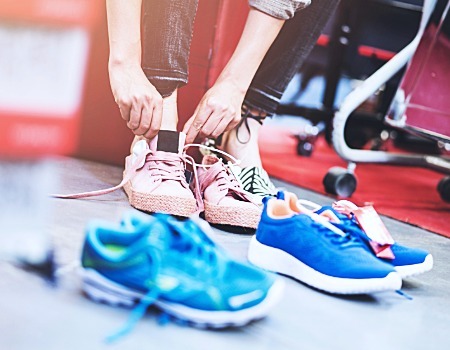
Never wear standard running shoes on a Padel court. They lack lateral support and are highly unsuitable for the sport’s rapid side-to-side movements. Shoes specifically designed for racquet sports provide crucial stability for lateral shifts and are engineered to be heavier and stiffer than running models. Always select a court shoe based on comfort, structural stability, and ankle support.
2. Upgrade Your Socks
Do not overlook the basics. Technical sport socks designed specifically for racquet sports provide targeted padding where it is needed most, protecting high-friction zones and absorbing localised impact.
3. Execute a Structured Warm-Up
Always dedicate time to a gentle warm-up that includes stretching the lower extremities and the Achilles tendon to prevent sudden soft-tissue tears. A highly effective technique is to lean against a stable table or wall, placing one foot behind the other to isolate the calf muscle. Always roll your weight safely to the outside border of the foot, and never stretch to the point of producing pain.
4. Maintain Rigid Footwear Replacement Schedules
Consistently invest in high-quality athletic shoes and replace them frequently. Over time, the internal midsole material degrades and loses its shock-absorbing capabilities, leaving your skeletal structure to absorb the raw impact of the court.
A Note on Paediatric Players: With more children taking up Padel, parents must stay vigilant regarding heel pain. Persistent discomfort in young players is frequently more than simple overuse; it can point to an injury of the growth plate in the heel. Children experiencing this must stop participation immediately, and a formal clinical diagnosis should be sought without delay.
Is foot or ankle discomfort keeping you off the Padel court?
Don’t wait for a minor strain to become a chronic injury. Contact our podiatry clinic today to book a comprehensive biomechanical assessment and custom orthotics consultation!