



Football Foot Injuries: Causes, Treatment & Prevention Guide
Football Foot Injuries: Protect Your Feet and Improve Performance
Playing football puts an immense amount of stress on your feet and ankles, and the more frequently you play, the greater the strain. High-impact turns, friction from artificial surfaces like 3G astroturf, and restrictive footwear all contribute to lower-limb issues. Whilst tight football boots offer better ball control, they frequently cause painful friction points, hard skin, and structural strains.
Whether you are a recreational player or managing a growing youth athlete, proactive podiatry care keeps you on the pitch for longer.
Common Foot Conditions Caused by Football Boots
Ill-fitting or overly tight boots alter the way your foot absorbs impact, leading to several common issues:
- Friction and Skin Issues: Persistent rubbing causes blisters, painful corns, calluses, and ingrown toenails.
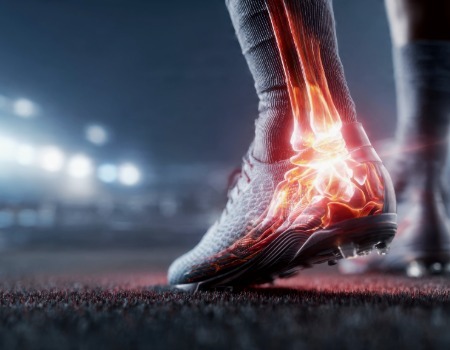
- Heel Pain: Teenagers undergoing growth spurts often experience severe heel pain, which is exacerbated by tight hamstrings and calves.
- Structural Strain: Repeated pressure can cause extra bone to develop, known as osteophytic formation, alongside soft tissue inflammation.
When to See a Podiatrist
It is common to push through discomfort, but distinguishing between normal muscle fatigue and actual injury is vital. You should book an assessment with a podiatrist if you notice:
- Persistent pain that recurs after every training session or match.
- Discomfort in the foot, ankle, or heel that gradually worsens over time.
- Visible signs of pressure, such as persistent redness, blisters, or bony bumps around the back of the heel, toes, or big toe joint.
Early intervention prevents minor irritation from becoming a long-term injury.
How Podiatry Improves Football Performance
Podiatry care goes beyond treating injuries; it actively enhances how you move on the pitch.
- Targeted Stretching Programmes: Improving flexibility in your calves and hamstrings relieves pressure on the heel, corrects overall posture, and reduces injury risk in growing players.
- Prescription Orthotics: Custom orthoses support flat feet, distribute pressure evenly, and improve proprioception (the communication between your feet and nervous system), which enhances your balance and agility.
- Footwear Advice: A podiatrist ensures your boots provide the correct level of support without causing dangerous pressure points.
Essential Foot Care Tips for Footballers
- Stretch Daily: Prioritise hamstrings, calves, and Achilles tendons before and after playing.
- Select Supportive Boots: Ensure boots fit well without pinching the toes or causing post-match redness.
- Maintain Foot Hygiene: Wash and dry feet thoroughly after every match, keeping nails trimmed straight across to prevent ingrown nails.
Are you struggling with foot pain after playing football? Contact our clinic today to book a comprehensive podiatry assessment.
Request a call back